For more than two decades, Wicked has held an unusual kind of magic over audiences. Its soaring themes of friendship, identity, and misunderstood heroism transformed it from Broadway hit to a cultural phenomenon recognized worldwide. With the first part of the two-film adaptation enchanting theatergoers, the anticipation now gathers around the second chapter: Wicked: For Good. As the concluding installment approaches, interest has shifted from early speculation to full-blown excitement, and the final flight of Elphaba and Glinda promises to be a cinematic spectacle that closes their story with both grandeur and emotional heft.
While the first film introduced audiences to a shimmering, emerald-lit Oz—one full of political gamesmanship, misunderstood magic, and a friendship tested—the upcoming sequel steps directly into the narrative territory longtime fans know as the story’s most powerful arc. The title itself, “For Good,” signals a thematic spotlight on the relationship at the heart of Wicked. It’s a phrase recognized by those familiar with the stage show, yet even newcomers can sense its weight. This film is expected to shift the emotional center from discovery to destiny, exploring what happens when two extraordinary women face a world determined to define them.
The Evolution of Oz on Screen
Part of what makes Wicked: For Good so highly anticipated is the evolution of its cinematic Oz. The first film balanced spectacle with story, showing glimpses of a world where magic and machinery coexist, and where the Wizard’s influence seeps into every corner. As the second installment approaches, the production’s visual world is expected to grow darker, more complex, and more politically fraught.
This shift mirrors the characters’ internal transformations. Elphaba’s journey moves from hopeful idealist to powerful outcast, while Glinda grapples with the moral compromises required to maintain her place in a system built on secrets. The lush, glowing palette of the first film may give way to imagery that reflects increased stakes, harder truths, and emotions sharpened by loss and loyalty. In many ways, the visual tone of Wicked: For Good has the opportunity to be more daring, more atmospheric, and more gripping than what audiences have seen so far.
Friendship as the Heart of the Story
Unlike many fantasy epics that hinge on prophecies, chosen heroes, or looming wars, Wicked has always relied on one of the most relatable forces in storytelling: the complexity of friendship. For Good brings that emotional core into full focus. Throughout their journeys, Glinda and Elphaba have admired, envied, challenged, and ultimately shaped one another in ways neither could have anticipated. Their relationship has weathered misunderstandings, political manipulation, and the harsh glare of public judgment.
The upcoming film is poised to explore this bond at its most fragile and most powerful. With both women facing crossroads that could determine their roles in Oz’s future, the choices they make—alone or together—form the crux of the story’s emotional gravity. Wicked: For Good offers a more intimate perspective, emphasizing how friendships can become lifelines, even when the world tries to pull them apart.
A Villain Re-Examined
One of the enduring appeals of the Wicked universe is its reframing of a well-known villain. Popular culture has long portrayed the Wicked Witch of the West as a symbol of pure malice, but Wicked has always invited audiences to look beneath the surface. Elphaba’s evolution in the second film explores themes of misunderstanding, prejudice, and the price of integrity in a compromised world.
For Good is uniquely positioned to finish that transformation, not by turning Elphaba into the villain audiences expect, but by showing how narratives are shaped, manipulated, and mythologized. Her journey examines the cost of being “different” in a society that fears difference, and the emotional toll of being judged by appearance rather than intent. As the story inches closer to the events of the classic Oz tale, the film adds layers of tragedy, understanding, and resilience to a character long confined to a one-dimensional archetype.
Glinda’s Challenge: The Crown, The Spotlight, and the Truth
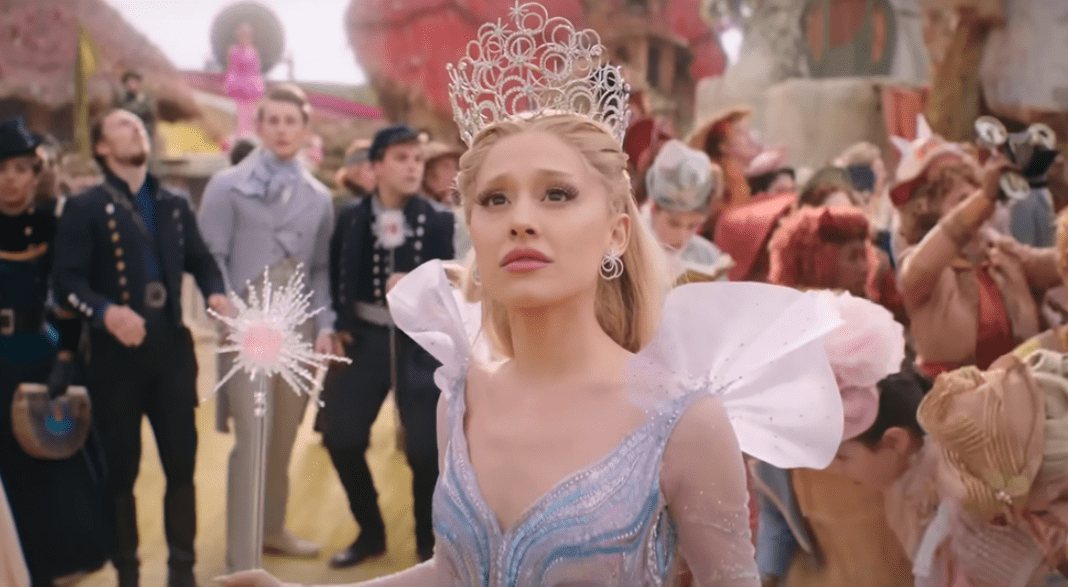
While Elphaba’s transformation is often the more dramatic arc, Wicked: For Good promises a deeper exploration of Glinda’s internal struggles. Behind the dazzling gowns and effortless charm lies a young woman grappling with impossible expectations. Glinda’s carefully nurtured image collides with the messy reality of political responsibility, and the upcoming film may dive into her internal conflict with greater nuance.
She must decide whether to uphold an unjust system for the sake of stability or to challenge the very institutions that elevated her. Her relationship with Elphaba forces her to confront uncomfortable truths, and the choices she makes will define her legacy. Glinda’s journey is less about claiming power and more about understanding the responsibility that comes with it, making her arc one of the most emotionally intricate elements of the sequel.
A World on the Brink
While the first film introduced audiences to the simmering tensions in Oz, the second steps into full confrontation. Secrets that once remained hidden behind the Wizard’s curtain rise to the surface. The growing unrest among Oz’s inhabitants demands attention. Political manipulation reaches its tipping point. And through it all, Elphaba finds herself thrust unwillingly into the role of symbol, rebel, and threat.
Wicked: For Good is poised to expand on these tensions, illustrating how fear can be weaponized and how narratives can be twisted to serve those in power. The contrast between the shimmering, whimsical façade of Oz and the darker truth beneath creates fertile storytelling ground. The film can explore the cost of truth, the strength of defiance, and the often-painful realization that justice rarely comes without sacrifice.
Songs as Storytelling
Although the film avoids directly quoting its well-known musical numbers, the emotional undercurrent of those songs remains central to the story’s momentum. The music of Wicked has long served as a narrative backbone, illuminating character motivations and underscoring emotional transitions. In For Good, the songs are expected to operate with even deeper emotional resonance, given the heightened stakes and shifting relationships.
Rather than functioning as simple interludes, the musical moments in the sequel will likely serve as turning points. They emphasize revelations, heartbreaks, reconciliations, and decisions that cannot be undone. Whether expanding familiar melodies or introducing new arrangements, the film’s musical landscape promises to be just as integral to its storytelling as its performances and visuals.
Building Toward Oz’s Most Iconic Moment
As Wicked: For Good draws the narrative closer to the events that audiences know from the classic Oz tale, it walks a delicate line. The film must honor the emotional arcs of the two protagonists while bringing them into alignment with the familiar narrative touchstones of flying houses, silver shoes, and the girl from Kansas. The beauty of Wicked lies in its reinterpretation of those iconic moments, and the second film offers the chance to reframe them through a new lens.
Rather than seeing the Wicked Witch as an antagonist, viewers understand her sacrifices and motivations. Rather than viewing Glinda only as a bubbly, benevolent figure, audiences witness the weight she carries behind her composed exterior. The finale of For Good has the opportunity to bind these perspectives together, bridging the gap between the Wicked saga and the Oz mythology in a way that feels both meaningful and cathartic.
A Swan Song for a Beloved Story
With the premiere of Wicked: For Good approaching, the excitement is more than typical sequel anticipation. It’s the culmination of a story that has resonated deeply with audiences for generations. The film marks not just the end of a cinematic adaptation, but the close of a narrative that has helped redefine how stories can be retold—from the point of view of those who were misunderstood, underestimated, or cast aside.
More than a fantasy adventure, more than a musical spectacle, Wicked: For Good is a story about the enduring power of connection, the cost of choices, and the courage required to embrace the truth of who you are. As fans await the final chapter, the promise of an emotionally rich, visually striking, and thematically resonant finale feels not only likely—but inevitable.